Assessment of scenarios for opening part of Lithuania’s forests to the construction of small recreational cabins
A study comparing scenarios for allowing small recreational cabins in selected Lithuanian forests, while balancing socioeconomic and environmental impact.
A study comparing scenarios for allowing small recreational cabins in selected Lithuanian forests, while balancing socioeconomic and environmental impact.
Context & objectives
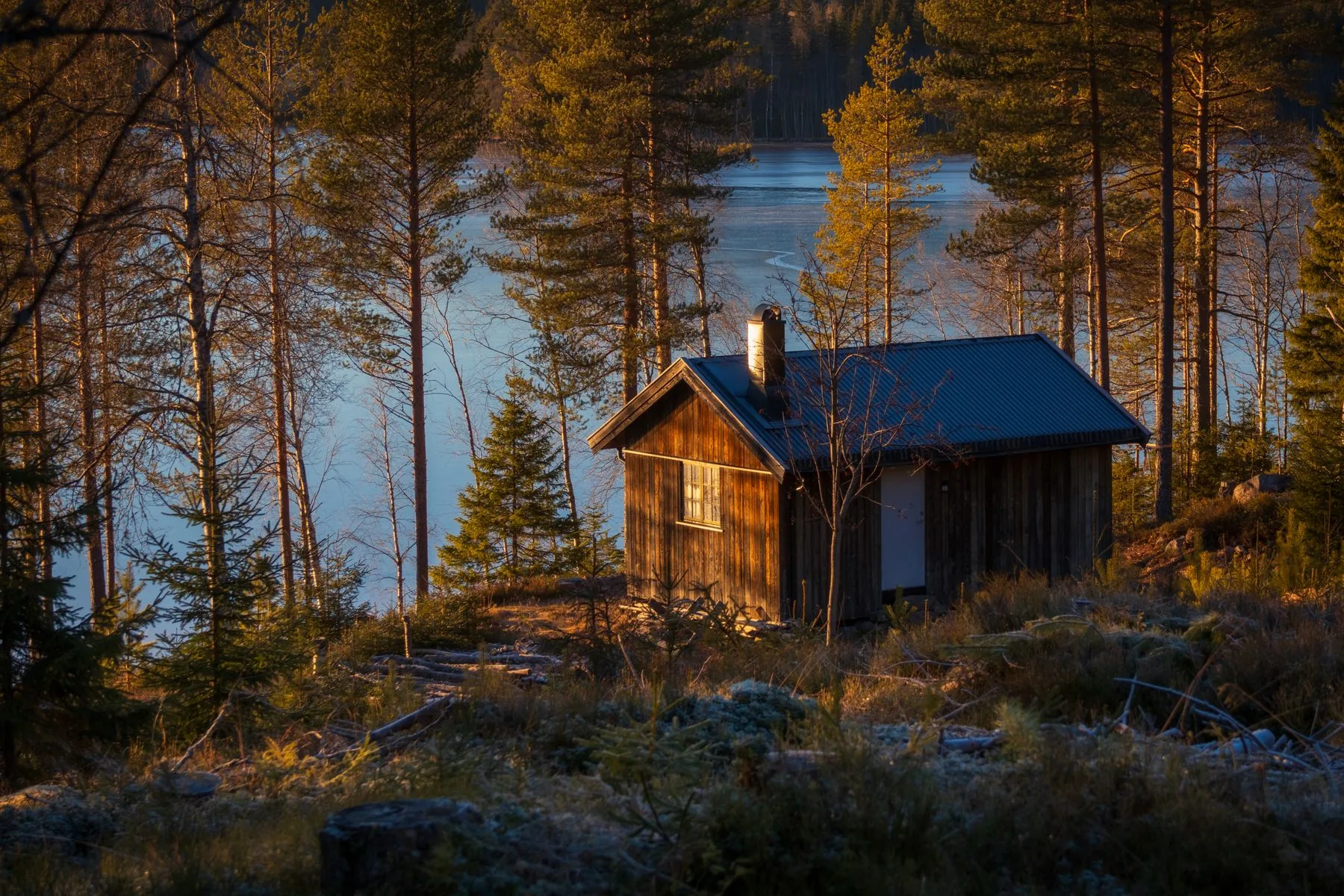
The proposal to examine forest cabins arose during preparations of Lithuania’s National Forest Agreement (lit. Nacionalinis susitarimas dėl miškų). A small cabin could give hikers a place to stay overnight and forest owners an opportunity for family recreation or rental income. As the study observes, such development can also change the natural character, tranquillity and accessibility of the forest. The study examines where cabins might be appropriate and what conditions would protect forest ecosystems and access for other visitors.
Study objective
The aim of the study is to develop recommendations, based on detailed analysis, for changes to the regulatory framework and their implementation in connection with opening some forest areas to cabin construction, with a view to balancing the effects on the recreational, environmental and economic functions of forests and ensuring that potential risks are managed throughout the process.
Approach
The researchers reviewed best practices in ten countries, surveyed 692 forest visitors in Lithuania and interviewed 30 experts in 18 in-depth interviews, organized 2 focus groups. The data on cabins rental offers in 10 foreign countries as well as Lithuania was used to develop an econometric model predicting rental price. SWOT analysis, together with detailed modelling was used to apply multi-criteria social decision-making methodology, which compared the economic, social and environmental effects of five development scenarios with the status quo.
Related study